




Written by Marc Demar
The way our brain processes sensory signals has been highly conditioned to operate in our physical world. And indeed, sensory integration and our brain’s ability to minimize sensory ambiguity and uncertainty by combining incoming signals into a unified perception puts even the most intelligent machines to shame.
This unified perception can get broken when we immerse ourselves in VR. Imagine driving a car in VR at high speed, which you can do in Somnium Space in an NFT car by the way. On one hand your brain thinks you are moving, but as your body remains static, it creates a disconnect between sensory signals. Your brain gets confused and may make you feel ill; very similar to motion sickness.
Does this forever render VR in general and Somnium Space a nice gimmick, but not for the masses? Think again. First of all, VR has the ability to rewire the brain and enhance neural connections that are needed for learning and memory. This means that the brain can get used to the new realities that VR can offer.
But apart from the fact that the brain can rewire, Somnium Space is extremely brain friendly. I have spent hundreds of hours in Somnium and hardly anytime I have suffered from nausea. There are a couple of reasons for this.
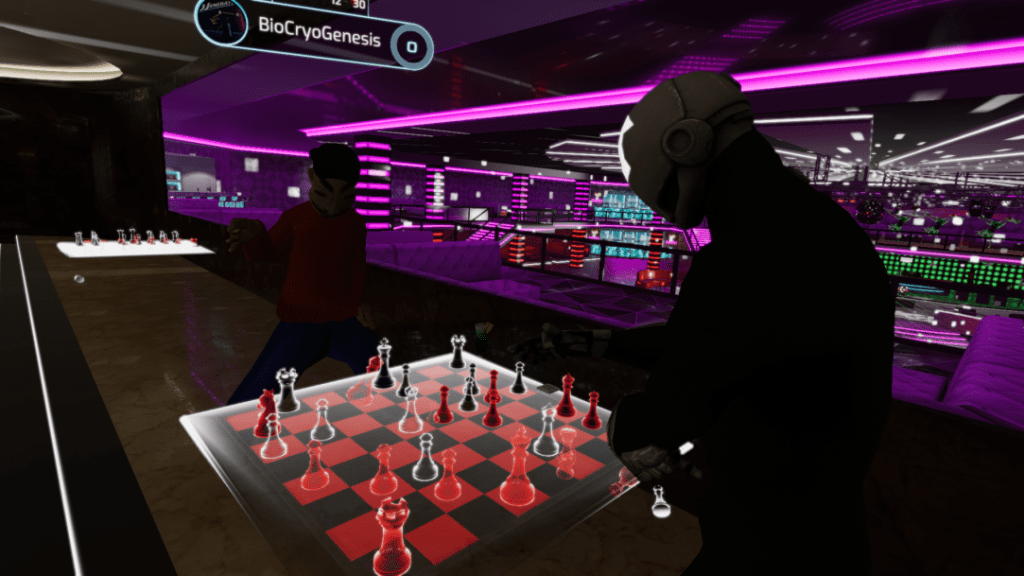
First of all, Somnium Space is a platform and not a game. Let me ask you this: How much time in the physical world do you spend in rollercoasters or race cars on a race track? Not a lot right? And while you can play high speed games in Somnium that potentially could cause motion sickness, the majority of the time that is spent in Somnium is similar to how you spend time in the physical world: You are more or less in a single location, socializing, doing business, playing games that are not high speed in nature (like chess, bowling, shooting zombies – all possible in Somnium Space).
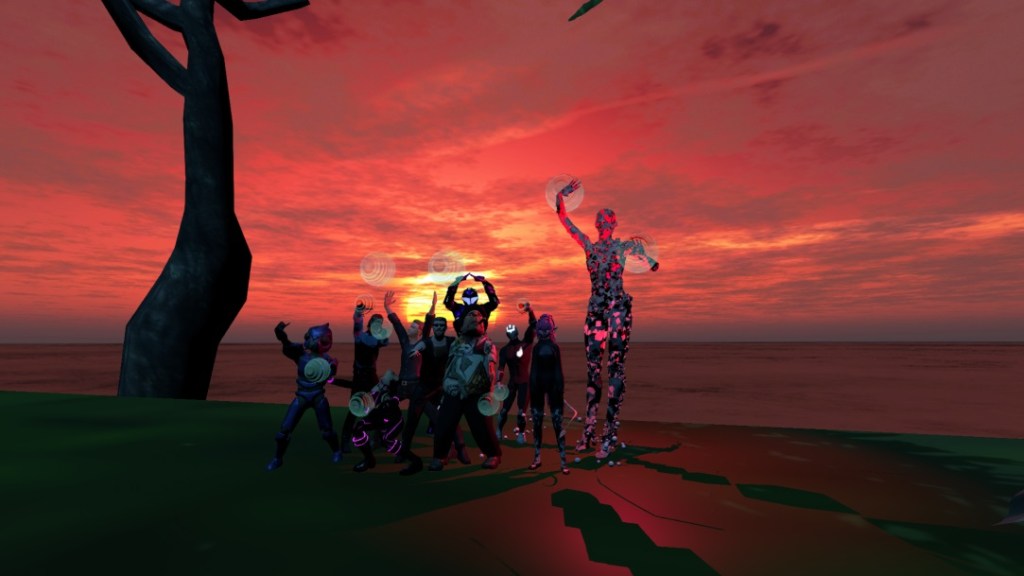
Second, Somnium Space puts a lot of effort in mimicking natural phenomena that give your brain a sense of normality. Sun, moon, stars, volumetric clouds, reflection of light, moving shadows on the ground, rain, thunderstorms, spatial sounds, animal life (fish, birds, rabbits, deer, you name it), plant life; Somnium has it all. All these things together provide a great sense of familiarity and subconsciously reassure the brain that all is good and nothing is broken.
It puts Somnium Space, a blockchain base VR world, pretty much in a league of its own. It’s a true frontrunner when it comes to the Metaverse.
Now, about the brain’s ability to rewire: This is fascinating. We’ll need that when settling on Mars, but it will also come in handy when we move to another planet: The Metaverse. While familiarity will be important (both for those who travel to Mars as those who travel in and out of the Metaverse), there are differences as well. And in the case of spatial computing (VR), this opens up a whole range of possibilities.
Moving into the Metaverse will not only open up new ways for us to socialize and do business, it will actually cause our brains to adapt to a multi-layered reality where moving in and out of Metaverse destinations and physical reality will become the new normal. You may be skeptical, but rewiring happens all the time when we surround ourselves with new technologies. This is totally subconscious and not something we choose or not.
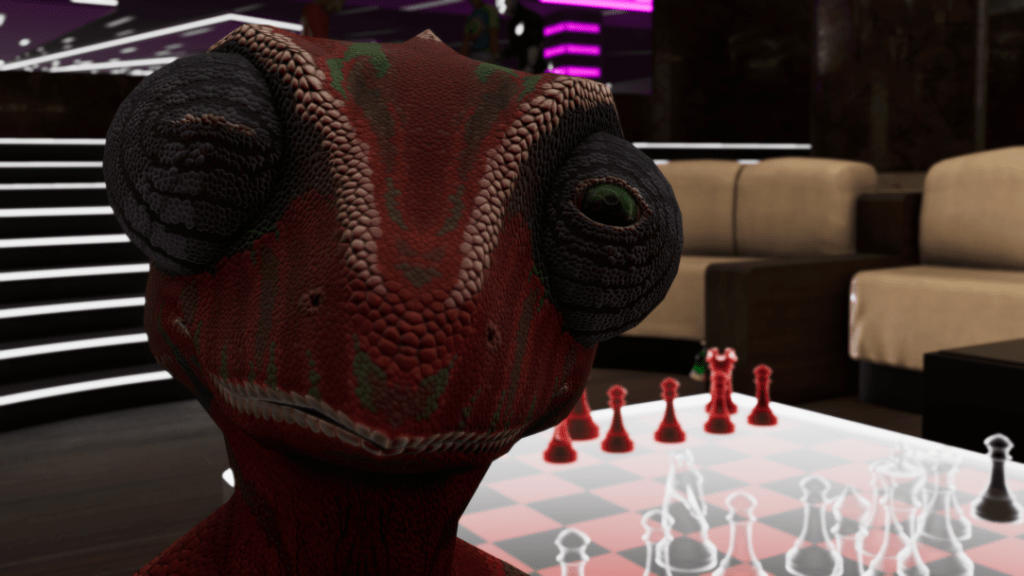
We humans will adapt to the Metaverse. As for me I have already adapted to Somnium Space. And it helps that this VR world is something my brain already knew and found familiar.

