

Written by Marc Demar
As someone who’s called Somnium Space home since the early days back in 2019, I’ve watched this platform grow from a bold vision into something quite extraordinary. And amid the constant stream of new worlds, events, dancing avatars, and social buzz, it’s easy for the bigger picture to get lost. Don’t get me wrong. Somnium Space is a place to be enjoyed here and now. And people certainly do if you look at the many social gatherings, live music events and world explorations. No need to think about “the bigger picture” to have a good time and make friends.

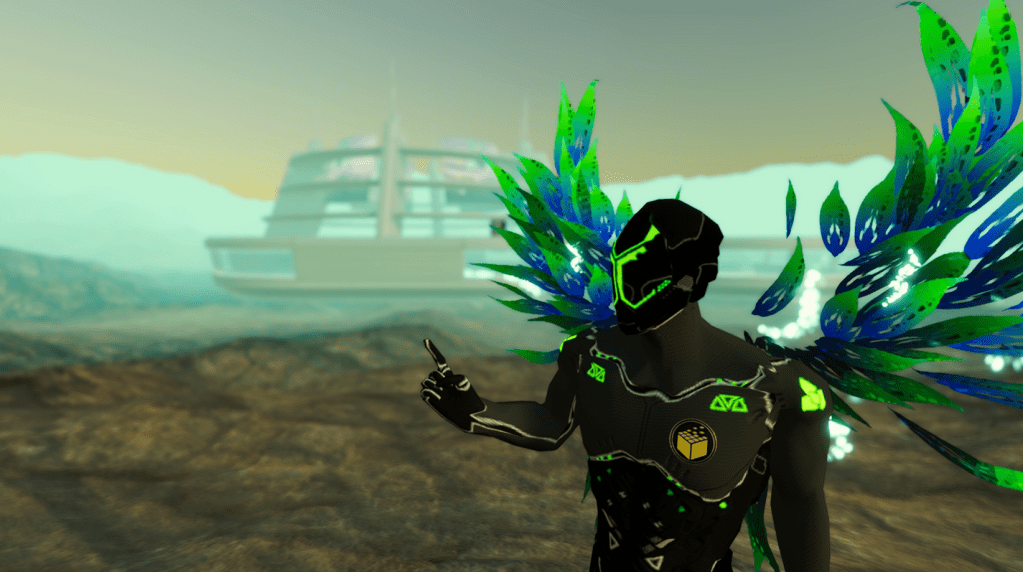
Yet, what keeps drawing me back, what makes me excited every time I log in, is how Somnium is quietly but relentlessly pioneering hybrid (mixed) realities. Here, the virtual and physical worlds don’t just sit side by side (isolated from each other), they actively intertwine, creating experiences that feel profoundly, almost eerily real.
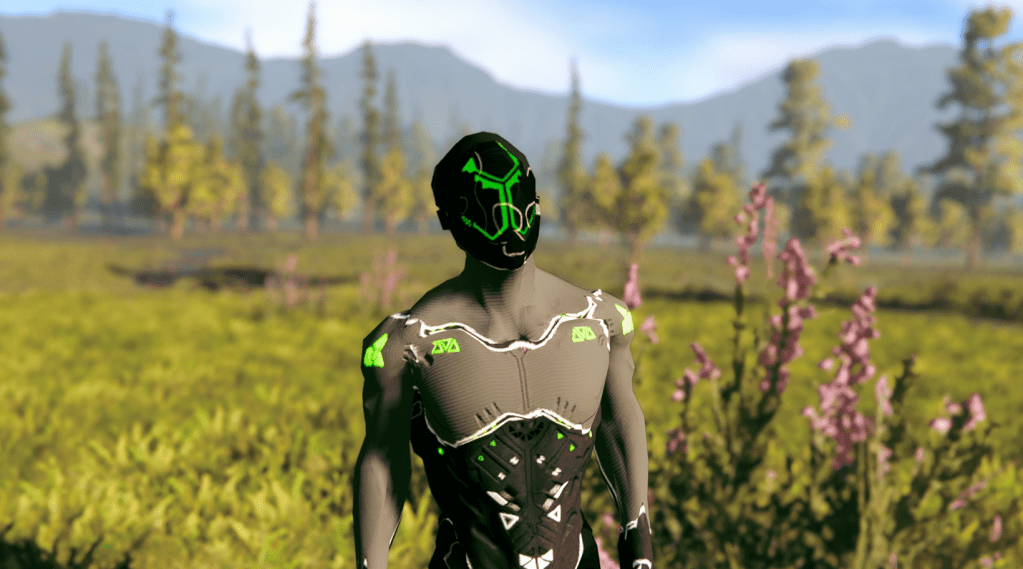
I consider myself a true Somnium resident, and in my years here, I’ve seen the platform prioritize immersion, true ownership of assets, and seamless integration across realities like no other. Take the Teslasuit, for example. This full-body haptic feedback suit, which Somnium has integrated deeply since the early partnership, uses electro-muscle stimulation to let you feel the virtual world in ways that were once pure fantasy. Whether it’s the subtle brush of wind across your skin, drops of rain on your shoulders, a kick from an opponent in a game, the suit turns what could feel like a disconnected visual experience into something multisensory and embodied. It extends your physical self right into VR. I don’t own one (they’re pricey), but I have tried and felt it, and it changes everything about presence.

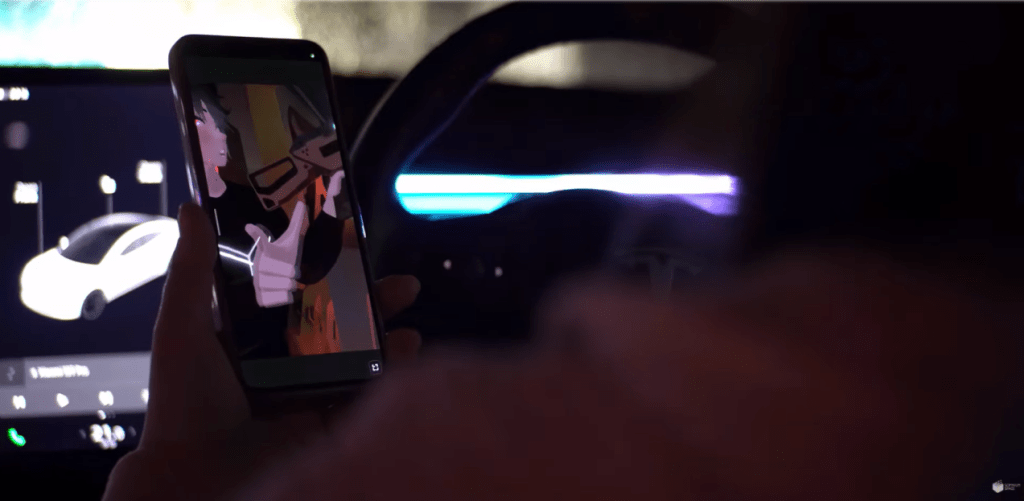
Then there’s the groundbreaking connectivity that takes this even further. Somnium pioneered the world’s first seamless bidirectional VR-to-VR and real-world video calling system. You can for example use it to pull family members into virtual spaces and see them pop up via live video feed while you’re fully immersed as your avatar. This is a magical experience to say the least. Geographical barriers vanish, dimensional ones too. Spontaneous hangouts become possible: a friend in the physical world joins a virtual gathering, or collaborate with colleagues who blend seamlessly between VR avatars and real-time video. It’s not gimmicky at all. It’s genuinely connective in a way that makes remote feel intimate.

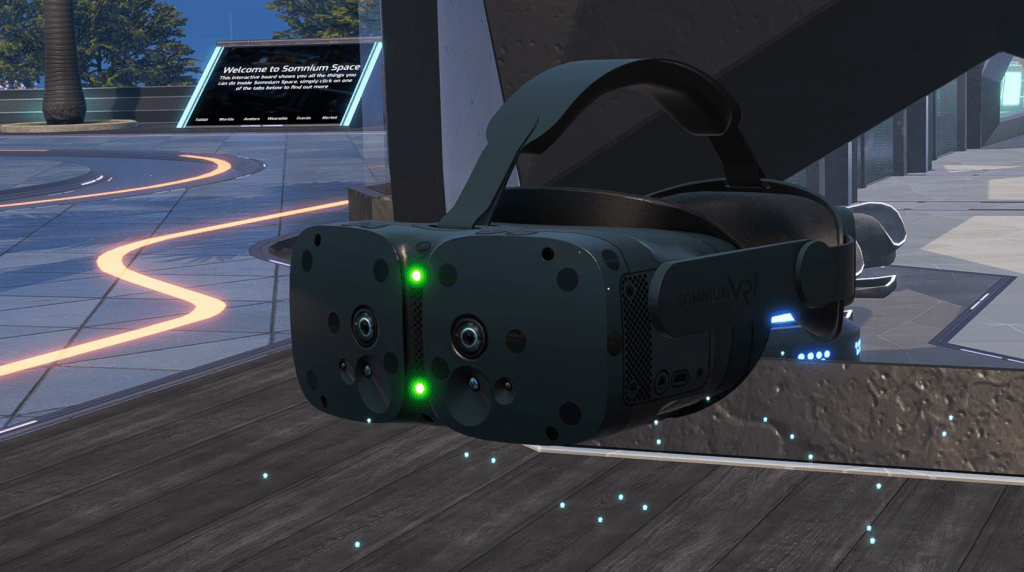
And let’s not forget the Somnium VR1 headset, which plays its part beautifully here. With its high-resolution mixed reality passthrough powered by dual 12MP cameras, real-time masking, and intuitive hand/eye tracking, it lets you overlay elements onto your surroundings (for example keep real controls visible in simulators) with stunning clarity. I do have a VR1, without the passthrough cameras, but I’ve used a passthrough version in a demo cockpit setup where the blend feels effortless. Virtual instruments layered over tangible hardware.
Tesla Suit haptics, cross-reality video calling, VR1 passthrough and (hand/eye) tracking, don’t exist in isolation. For me they define Somnium’s leadership in forging true mixed realities.
The impact today is already meaningful, and I see it in my own experiences and those around me. Socially, the video calling system has been amazing. Friends or family step into shared virtual spaces as if they’re right there with you. For creators and professionals, these tools unlock unprecedented collaboration: They can dive deep into a virtual model/world while bringing in real-world input, or trainers can guide others through skill-based simulations with that added layer of presence.
Looking forward, Somnium’s foundation opens doors to breakthroughs that excite me deeply. Imagine global education where students wander historical sites in VR while handling physical artifacts or consulting live experts through blended feeds. In healthcare, remote rehab could use full-body haptics to guide precise movements, merging virtual challenges with real progress tracking for quicker recoveries from injuries or conditions. Enterprise training, already boosted by Teslasuit integrations, could evolve into hyper-realistic prep for surgery, firefighting, or aerospace, where feeling heat, resistance, or impact builds mastery without real-world risk.

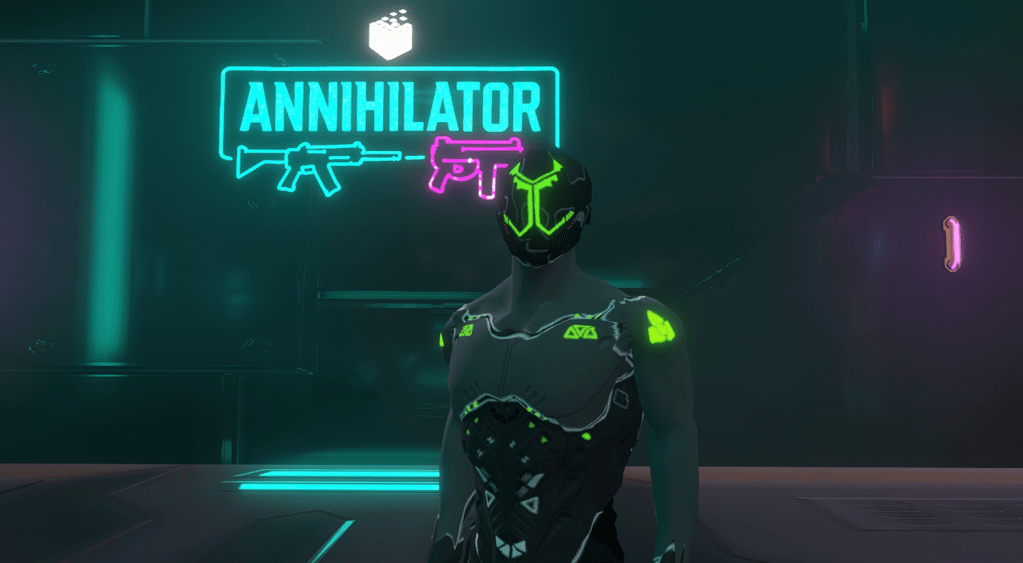
The blurring is only going to deepen. As tech advances, we’ll see the line between VR and physical vanish more and more. And Somnium Space will be at the forefront of the innovation. It has been the vision all along.
Ultimately, Somnium isn’t just another VR app to me. It’s pioneering a new way to be human, where hybrid realities augment our physical lives rather than replace them. By making the virtual touchable, contextual, and connectable across worlds, it invites us to reimagine what presence really means. The boundary between realities isn’t just blurring. It’s becoming beautifully permeable.
About Somnium Space
Somnium Space, the company behind the VR1, also runs a blockchain-based virtual reality platform that allows users to create, experience, and monetize content and applications. The platform is committed to building a decentralized and immersive VR world that offers users a unique and engaging experience.
Discord: https://discord.gg/somniumspace
Authencity: https://authencity.io/user/somniumspace
Follow the Somnium Times
Authencity: https://authencity.io/user/SomniumTimes
YouTube: https://www.youtube.com/@SomniumTimes
Instagram: https://www.instagram.com/somniumtimes/