

Written by Marc Demar
There’s this common notion that immersive technologies like VR inherently foster isolation. That’s a misconception, often rooted in surface-level observations of someone donning a device and seemingly withdrawing from the physical world. Yet, this overlooks the nuanced reality: humans routinely seek moments of solitude for recharge and reflection – whether through a solitary walk in nature, losing oneself in a book, or engaging with a VR environment. The key distinction lies not in the act of temporary disengagement but in whether the technology amplifies connection or exacerbates harm. As with social media, which promised global connectivity but often delivered unintended psychological tolls through manipulative designs, VR’s impact hinges on its deployment, underlying business models, and user intent. Drawing from empirical studies and real-world examples, we can see that immersion in platforms like Somnium Space doesn’t equate to isolation; on the contrary, it can cultivate profound social bonds, creativity, and even mental health benefits when built on ethical foundations.

Immersion vs. Isolation: A False Equivalence
At its core, immersion in VR isn’t about severing ties with reality – it’s about expanding it. Critics argue that slipping on a headset like the Apple Vision Pro, Meta Quest, or Somnium VR1 signals retreat, but this ignores how such tools can paradoxically enhance social connectedness. Research shows that social VR experiences actively reduce feelings of loneliness and anxiety by enabling shared virtual spaces where users interact in ways that transcend physical limitations.
Far from isolating, VR can serve as a lifeline: studies on virtual touring and reality-based experiences demonstrate that it helps people connect with distant loved ones, alleviating social disconnection when in-person meetings are impossible. Even in therapeutic contexts, VR has been linked to reduced pain, improved mood, and greater social engagement through immersive, interactive environments.
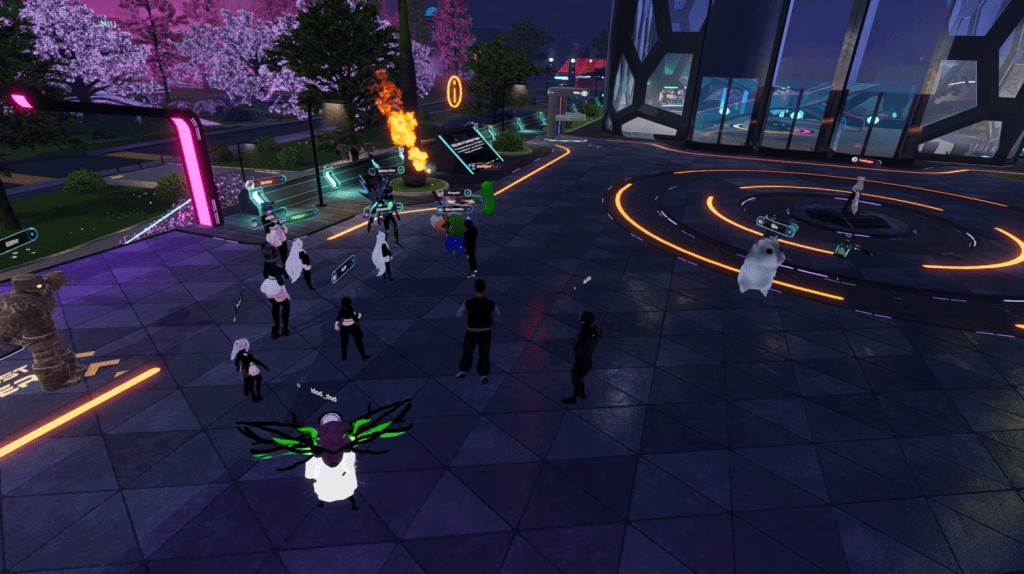
This counters the isolation narrative by flipping it: immersion becomes a tool for inclusion. Consider how a solitary walk provides mental clarity without permanent withdrawal – VR offers something similar but with the added potential for re-entry into enriched social dynamics. The difference? VR’s design can prioritize communal experiences, turning “alone time” into gateways for collective creativity.
The technology itself isn’t the culprit – it’s how it’s used and structured.
Lessons from Social Media: Algorithms, Business Models, and Harm
To understand VR’s potential pitfalls and promises, it helps to parallel it with social media. Platforms like Facebook, Instagram, and TikTok were heralded as connectors but have correlated with rising mental health issues, particularly among adolescents and girls. Heavy use is linked to increased anxiety, depression, and internalizing disorders through mechanisms like social comparison, perfectionism, and emotional contagion.
Algorithms exacerbate this by prioritizing sensational, fear-driven content to maximize engagement, turning users into products for ad revenue.
For teens, exposure to idealized images fuels body dissatisfaction and eating disorders, while addictive designs – endless scrolls, notifications – promote overuse, with studies showing usage over three hours daily predicts poorer well-being. Notably, 11% of adolescents exhibit problematic behaviors, struggling with control and experiencing withdrawal.
Contrast this with LinkedIn: despite being a social network, it rarely faces the same scrutiny for mental health harms. The difference? Business models. Where many platforms monetize user data and attention via addictive hooks, LinkedIn emphasizes utility (the company’s core revenue comes from paid services rather than direct data sales or usage), proving that connection-facilitating tech isn’t inherently harmful – it’s the profit-driven manipulations that are.
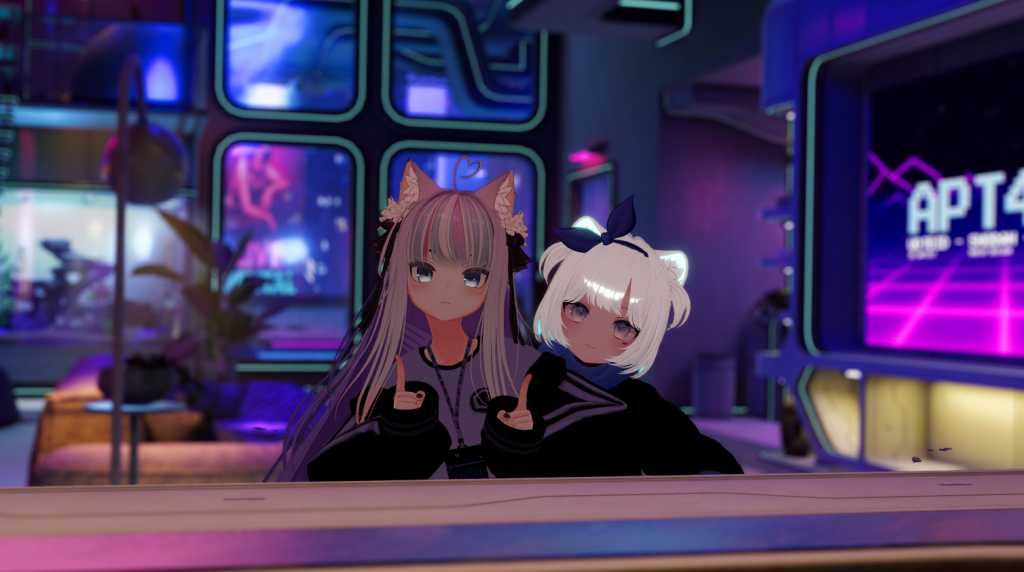
Somnium Space: A Different Approach to VR and Immersion
This brings us to Somnium Space, which in my humble opinion exemplifies how ethical deployment can harness immersion for good. Unlike data-harvesting giants, Somnium’s business model centers on user empowerment and a flourishing in-world economy, not surveillance capitalism. It allows users to own digital land, build homes, create assets, and monetize experiences, fostering a democratic ecosystem where creators and players drive value. The platform is open and persistent, prioritizing tools for exploration, socialization, and business-building over addictive retention tactics. Somnium’s vision is a “new world for communication, e-commerce, and entertainment,” where success ties to community prosperity, not user exploitation.
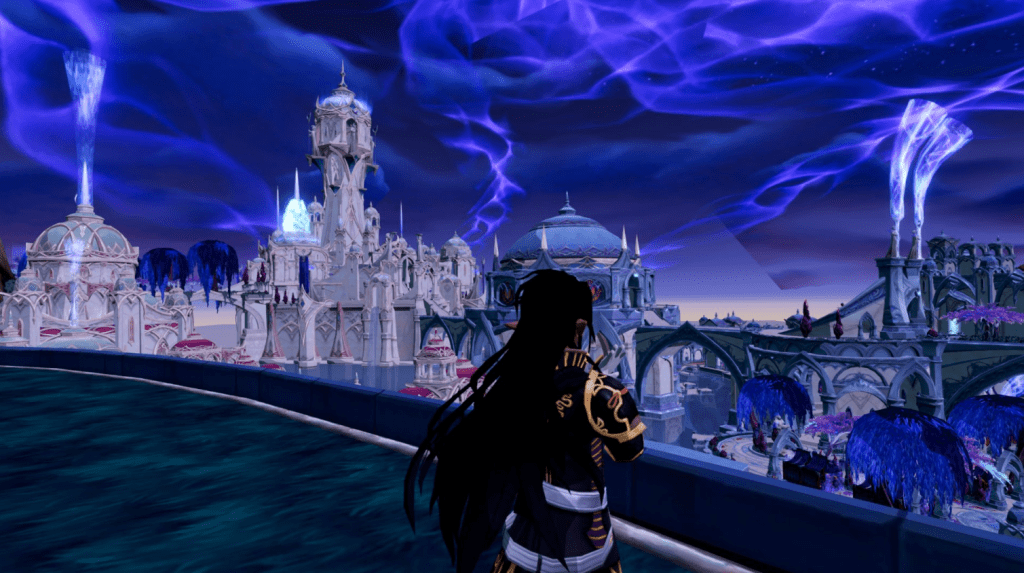
Also, a headset, in this context, is not just a headset – it’s a portal shaped by philosophy. The Somnium VR1, for example, embodies this ethos with its modular and open design and stellar specs. Designed by VR enthusiasts for VR enthusiasts, it prioritizes barrier-free experiences. This contrasts with other headsets that lock you inside a walled garden.
To me, Somnium’s community-driven approach debunks isolation myths. Users meet through vibrant events, such as gaming nights, racing tournaments, and numerous concerts at virtual venues. These aren’t solitary escapes – they’re social hubs where people forge connections. By delivering beloved tools and letting the economy thrive organically, Somnium flourishes alongside its users, proving that immersive tech can connect rather than isolate when built with integrity.
In summary, VR’s future depends on mindful innovation. Somnium’s approach – rooted in passion, ownership, and community – shows how immersion can bridge divides, offering a refreshing antidote to the isolation fears that plague less thoughtful uses of emerging technologies.
About Somnium Space
Somnium Space, the company behind the VR1, also runs a blockchain-based virtual reality platform that allows users to create, experience, and monetize content and applications. The platform is committed to building a decentralized and immersive VR world that offers users a unique and engaging experience.
Discord: https://discord.gg/somniumspace
Authencity: https://authencity.io/user/somniumspace
Follow the Somnium Times
Authencity: https://authencity.io/user/SomniumTimes
YouTube: https://www.youtube.com/@SomniumTimes
Instagram: https://www.instagram.com/somniumtimes/



Leave a Reply