

Written by Marc Demar
In the real world, identity is shaped by a complex interplay of social norms, physical appearance, and cultural context. But in Somnium Space, where users design their own avatars and express themselves in limitless ways, the rules of identity shift – sometimes radically.
This isn’t just about choosing cool skins or outlandish outfits. In social VR, your avatar is your body, your face, your voice – and often, your entire social interface. As we dive deeper into the metaverse, it becomes increasingly clear: avatars are not superficial playthings. They are psychological mirrors – and sometimes shields – reflecting who we are, who we want to be, or who we’re afraid to be.
If you spend enough time hanging around the City Center in Somnium Space, you’re bound to catch this playful message echoing through the virtual speakers:
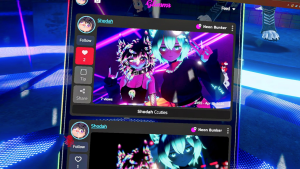
In Somnium Space you can be literally anything. Even an e-boy, if you are that desperate for attention
It’s a lighthearted line, but there’s real truth behind it – you truly can express yourself in any way you imagine.
The Psychology of Becoming
When you choose an avatar in Somnium Space, you’re not just picking a digital doll. You’re curating a self. Whether you’re a humanoid dragon, a hyper-realistic replica of your real self, or a stylized caricature, you’re engaging in digital self-fashioning – a process that psychology links to self-perception and even self-esteem.
People often find freedom in this choice. A shy user in the physical world might adopt a confident, bold avatar – and in doing so, start to feel more confident in VR spaces. Gender, age, and cultural backgrounds often become fluid. Many users report that their avatars help them “try on” different aspects of themselves in ways that feel safer and more liberating than real life ever allowed.
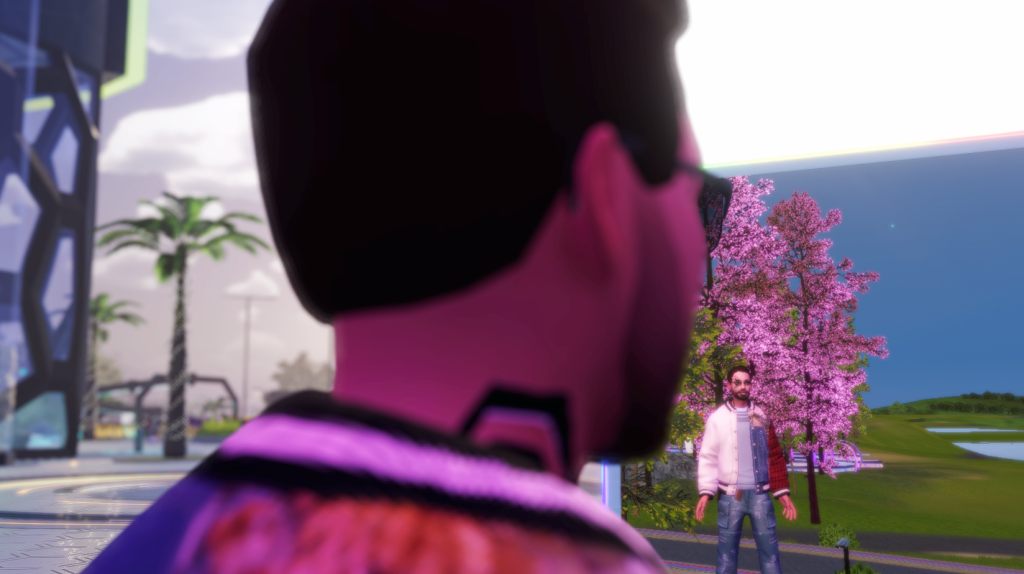
Some people invest more effort into crafting their digital identity than others – and that’s not so different from how we present ourselves in the physical world. My go-to avatar, for instance, resembles a fairly average guy – just a slightly younger, cooler, and more polished (read: more handsome) version of my real-life, slowly aging self. For me, the virtual and physical are in relative harmony. But for others, the contrast between their real-world and digital selves can be far more pronounced, shaped entirely by how they choose to express who they are – or who they want to become.
Expression in Layers
Somnium Space’s SDK now supports custom avatar gestures and animations (introduced in update V3.0.2), unlocking a new layer of expression. Subtle body language – shrugs, waves, even dance moves -brings avatars to life and closes the gap between thought and movement.
These tools aren’t just cosmetic. They enrich social interaction, helping users communicate more effectively and emotionally. Imagine performing a comedy set, and your avatar can actually facepalm at your own jokes – or embrace a friend during a heartfelt conversation. In a world without touch or facial micro-expressions, gestures are emotional currency.
Who Are You When No One Knows?
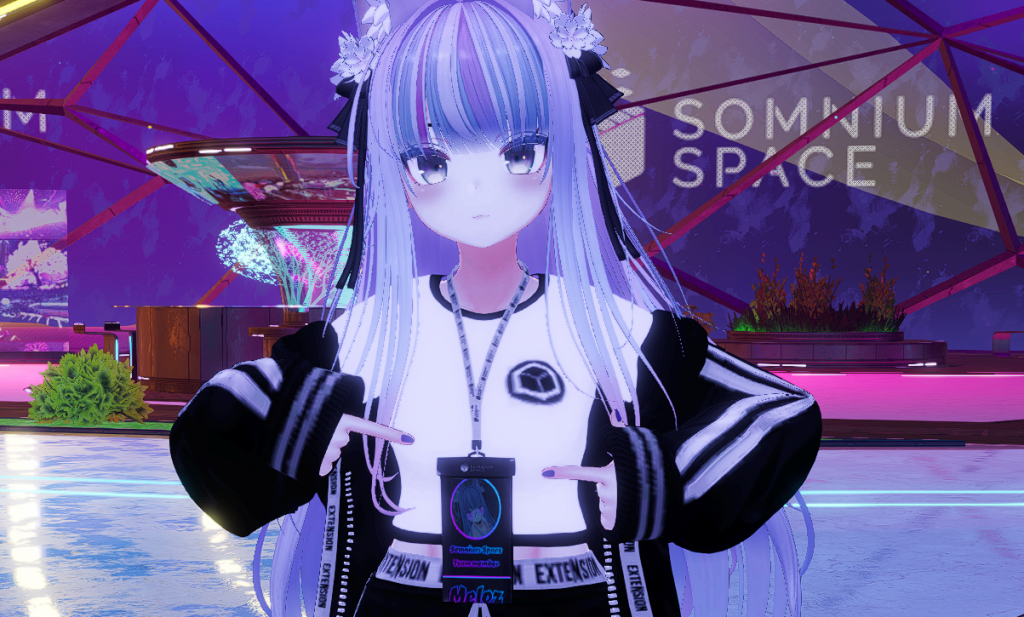
In Somnium, many users adopt pseudonyms, anonymous profiles, or entirely new identities. While that might raise questions about trust or authenticity, it also opens doors to deep self-exploration. You can become whoever you want to be – without judgment, baggage, or expectation.
This freedom can be transformative. Users often describe their avatars as more honest representations of their inner selves than their real-world bodies allow. One user crafted an avatar entirely different from their real-world appearance – more vibrant, more expressive – and in doing so, uncovered a creative, confident side they had long suppressed. For them, Somnium wasn’t just a digital escape – it was a lens into parts of their identity they hadn’t yet met.
But even as virtual identity becomes more expressive and malleable, it’s important to remember: the physical world still matters. Our digital selves can offer fun, growth, and new perspectives – but they don’t erase the need for real-world accountability, connection, and truth. The metaverse can expand who you are, but it shouldn’t replace where you’re rooted.
The Avatar as Armor
Avatars can also serve as protection. For those who experience social anxiety, chronic illness, or even physical disability, VR becomes a sanctuary. An avatar might hide a stutter, a limp, or an invisible burden – and allow someone to finally feel “normal,” or even superpowered.
This isn’t escapism. It’s empowerment. And as long as platforms like Somnium continue to prioritize user control and customization, the metaverse will remain a place where people feel not just seen, but safe.
From Masks to Mirrors
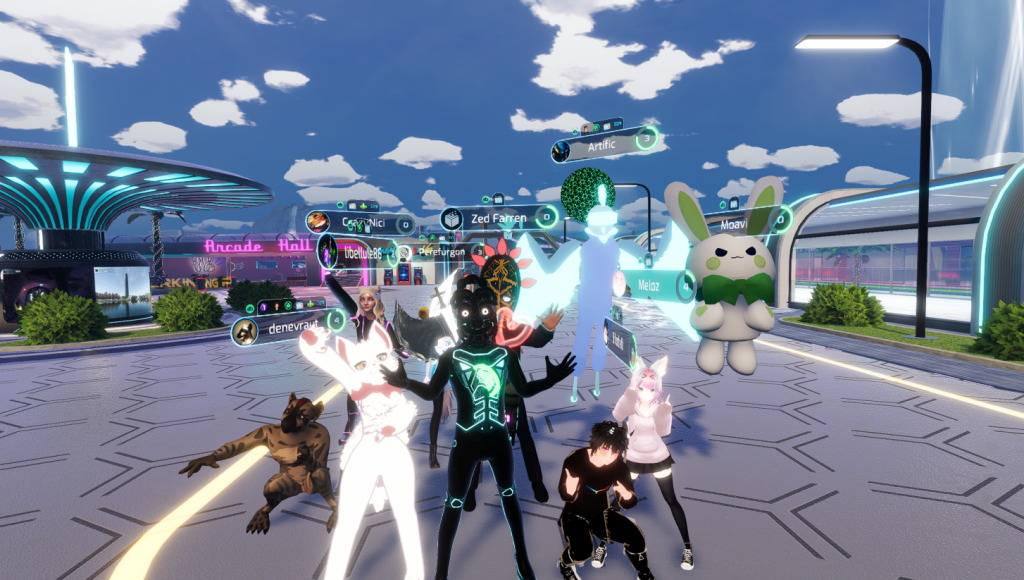
In the end, avatars in Somnium Space aren’t just about aesthetics. They’re psychological artifacts – representations of how we see ourselves, how we wish to be seen, or how we want to experiment with identity. They’re our voice, our fashion, our mood, our emotional toolkit.
The deeper truth? Every avatar tells a story. And in the metaverse, those stories are more intimate, surprising, and revealing than we often realize.
So next time you meet someone in Somnium Space, don’t just ask where they’re from. Ask why they chose that avatar. The answer might tell you more than any biography ever could.
About Somnium Space
Somnium Space, the company behind the VR1, also runs a blockchain-based virtual reality platform that allows users to create, experience, and monetize content and applications. The platform is committed to building a decentralized and immersive VR world that offers users a unique and engaging experience.
Discord: https://discord.gg/somniumspace
Authencity: https://authencity.io/user/somniumspace
Follow the Somnium Times
Authencity: https://authencity.io/user/SomniumTimes
YouTube: https://www.youtube.com/@SomniumTimes
Instagram: https://www.instagram.com/somniumtimes/



Leave a Reply