

Reimagining identity, connection, and creativity in the age of immersive virtual realities.
In every great leap of human evolution – from language to electricity to the internet – we’ve invented new ways to extend ourselves. New mediums for thought. New territories for the imagination. Today, we stand on the threshold of another transformation: the immersive age.
The metaverse isn’t a distant sci-fi promise. It’s here. It’s now. And in spaces like Somnium Space, we are already witnessing how deeply virtual presence can reshape what it means to be human.
But what exactly are we stepping into?
A World Not Instead Of, But Alongside
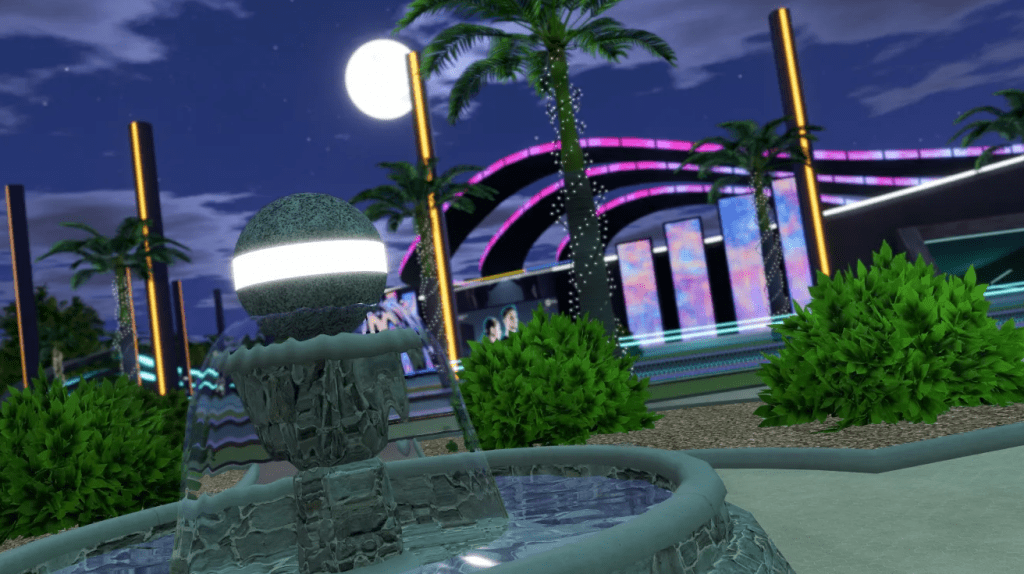
Let’s begin with a distinction. The metaverse is not a replacement for physical reality. It is an extension – a new layer of experience where the mind is no longer bound by the body’s geography. Just as the internet broke down the walls of libraries and cities, immersive VR breaks down the walls of space itself.
In Somnium Space, you can sit beside someone from another continent, explore a jazz concert hosted in a floating villa, teleport to a desert for a philosophical debate, or build your own world brick by virtual brick. But this is not escapism. It’s engagement – deep, embodied, creative engagement with others, with ideas, and often, with ourselves.
A New Canvas for the Self
Virtual worlds like Somnium give us a canvas not just for art and architecture, but for identity. Here, you don’t just tell people who you are – you show them, through your avatar, your creations, your social presence.
What happens when people can sculpt themselves in real time, free from biology, expectation, or judgment? Many describe their avatars not as fantasies but as truer reflections of their inner selves – versions of “me” that feel more authentic than their real-world appearance permits. That can be transformative, even therapeutic.
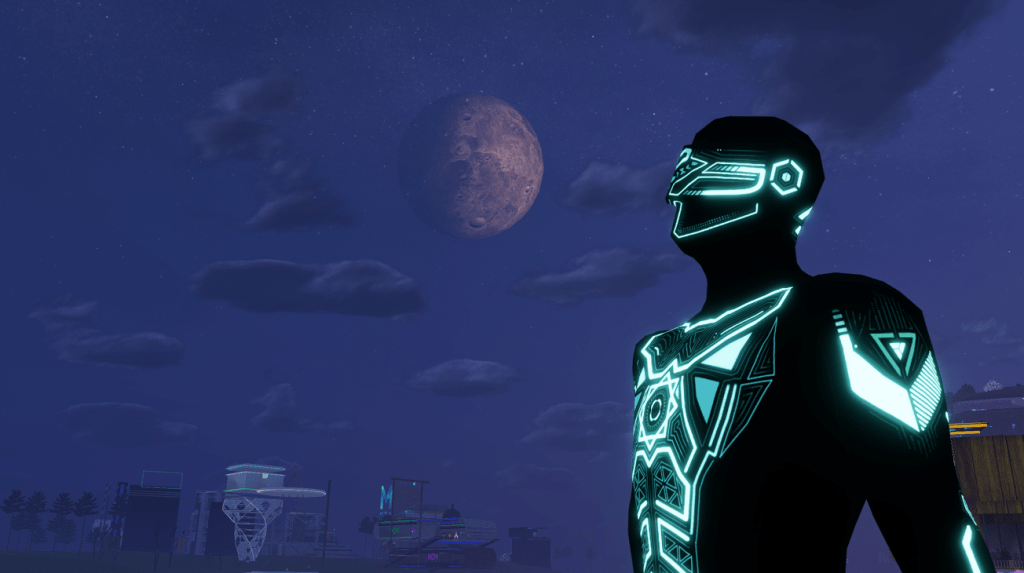
Yet we must ask: who do we become when the mask isn’t a mask, but a mirror?
In Somnium Space, this exploration unfolds daily. People build homes not just to impress, but to express. They host poetry nights, dance as digital dragons, and reinvent their personalities as easily as changing clothes. This is not frivolity – it’s self-discovery on a stage as expansive as imagination itself.
The Rise of Empathic Architecture
One of the most profound shifts the metaverse offers is spatial empathy. In traditional digital spaces, communication is linear: text, audio, maybe video. In VR, we reintroduce space, proximity, gesture, and presence. You can feel when someone is standing too close. You can sense joy in their dance or tension in their silence.
This return of embodied communication in a virtual context creates the potential for radical new modes of empathy. It’s not just that we meet each other; we inhabit space together.
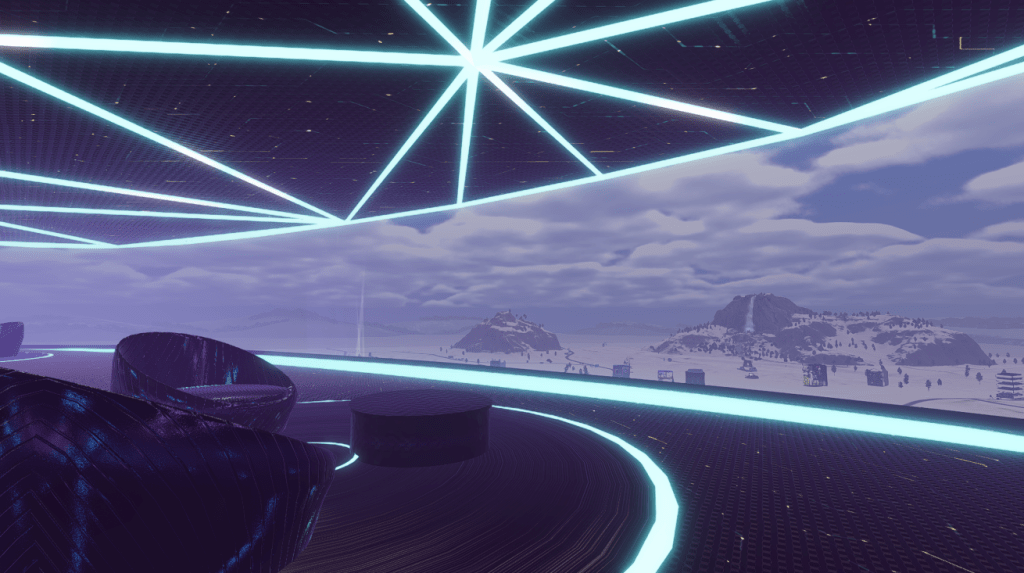
In Somnium’s custom-built worlds – like minimalist apartments, psychedelic concert venues, or dreamy zen gardens – users are building not just environments, but emotional architectures. These spaces carry mood, intention, personality. They are inhabited art.
Decentralized Culture, Built by All
Unlike games or social networks that feed content from the top down, the culture of Somnium Space rises from the bottom up. There are no lore masters or narrative railroads. The story is emergent. And every citizen shapes it.
From community meetups and NFT exhibitions to live jazz and “Never Have I Ever” nights, the culture of Somnium is an ongoing co-creation. Is it sometimes messy? Sure. But it’s alive.
And here lies one of the greatest promises of the metaverse: the return of communal authorship. A place where we are not just passive consumers, but active worldbuilders.

What Happens to Us?
So what does this mean for humanity?
- We become more expressive. Freed from social conditioning, people explore identities and aesthetics with playful courage.
- We become more connected. Distance fades. Global friendships form. Micro-communities thrive across time zones.
- We become more creative. The barriers to building and sharing are lower than ever before. Somnium’s creators monetize avatars, stage experiences, and tip each other in real time with digital currency.
- We become more reflective. Paradoxically, the virtual can help us look more honestly at the real – at who we are, who we might be, and how we choose to interact.
Of course, challenges remain. Truth must still be anchored. Physical presence still matters. But the metaverse does not aim to erase reality – it seeks to expand it.
The Future Is Ours to Make
As we continue building this new layer of existence, the question isn’t whether the metaverse will change us. It already is.
The question is: what kind of humans do we want to become in it?
In places like Somnium Space, we are rehearsing answers. Not with theories or manifestos, but with dance floors, architecture, friendship, and code. Slowly, piece by piece, we are building not just virtual worlds – but a new understanding of ourselves.
The metaverse is a mirror. Let’s make sure we like what we see.
About Somnium Space
Somnium Space, the company behind the VR1, also runs a blockchain-based virtual reality platform that allows users to create, experience, and monetize content and applications. The platform is committed to building a decentralized and immersive VR world that offers users a unique and engaging experience.
Discord: https://discord.gg/somniumspace
Authencity: https://authencity.io/user/somniumspace
Follow the Somnium Times
Authencity: https://authencity.io/user/SomniumTimes
YouTube: https://www.youtube.com/@SomniumTimes
Instagram: https://www.instagram.com/somniumtimes/


Leave a Reply